A Guide to Fencing Solutions for Coastal Areas: Combating Salt and Wind May 22, 2026
When considering fencing in coastal regions, the first step is understanding the environmental impacts. Salt can corrode certain metals and degrade materials like wood over time, while strong winds can cause structural damage or even uproot fences. Therefore, selecting materials that resist these elements is crucial.
Vinyl fencing is a popular choice due to its outstanding resistance to salt and water exposure. Unlike wood, vinyl doesn’t warp or rot when exposed to moist conditions. Modern vinyl fences come in various designs and colors, providing aesthetic appeal with minimal maintenance. Simply wash them down periodically to keep them looking new, making them a hassle-free option for busy households.
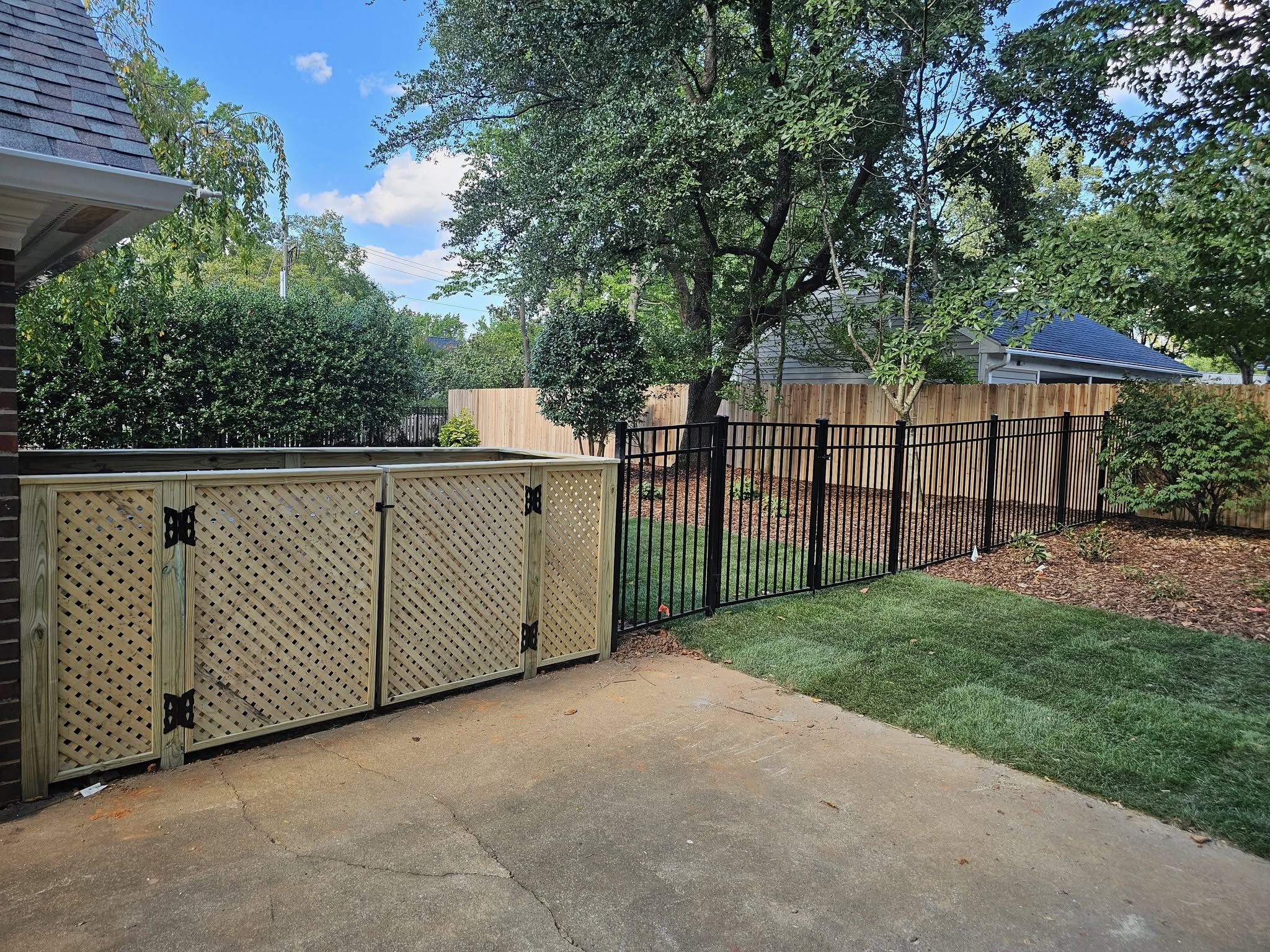
Another excellent fencing material for coastal areas is aluminum. Known for its corrosion resistance, aluminum is an ideal choice where salt air poses a threat. It is lightweight yet robust, capable of withstanding high winds better than many other materials. Powder-coated finishes enhance its durability and are available in multiple colors and styles to suit different design preferences.
If you prefer a more traditional look, consider pressure-treated wood or specially-treated cedar. These types of wood have improved resistance to both decay and insect attacks, which are common issues in coastal environments. However, regular maintenance such as staining and sealing is crucial to extend their lifespan.
Beyond material selection, the design of your fence can also play a pivotal role in its durability. Opt for designs that allow wind to pass through, such as spaced pickets or lattice styles. By reducing wind resistance, these designs minimize the risk of your fence being blown over during storms. Additionally, ensure your fence posts are buried deep enough and anchored securely to provide maximum stability against strong winds.
When installing a fence in a coastal area, it is also wise to consult with local fencing experts like Tru-Love Outdoor Services. Professionals can offer valuable insights on the best types of materials and designs for your specific location, taking into account the unique weather patterns and ground conditions. They can also ensure that your fence complies with local regulations and environmental standards.
In conclusion, choosing the right fencing solution for coastal areas involves considering both material durability and design effectiveness. By selecting materials resistant to salt and wind, such as vinyl or aluminum, and opting for wind-smart designs, you can ensure your fence remains functional and beautiful for years. Consulting with experts like Tru-Love Outdoor Services will further enhance the success of your fencing project, making it a long-term investment for your coastal home.
Ultimately, the goal is to protect your property while maintaining the visual appeal, allowing you to enjoy the picturesque surroundings without worry. Embrace these strategies and safeguard your outdoor space with confidence, knowing you have chosen the best fencing solutions for your coastal environment.
/filters:no_upscale()/filters:format(webp)/media/546Q4IXTZ9QL4Q0ZCN7HN2QD191LOJJZ1L94A2YB.jpeg)