Comparing Fencing Materials: Wood, Vinyl, and Composite Pros and Cons Jan 12, 2026
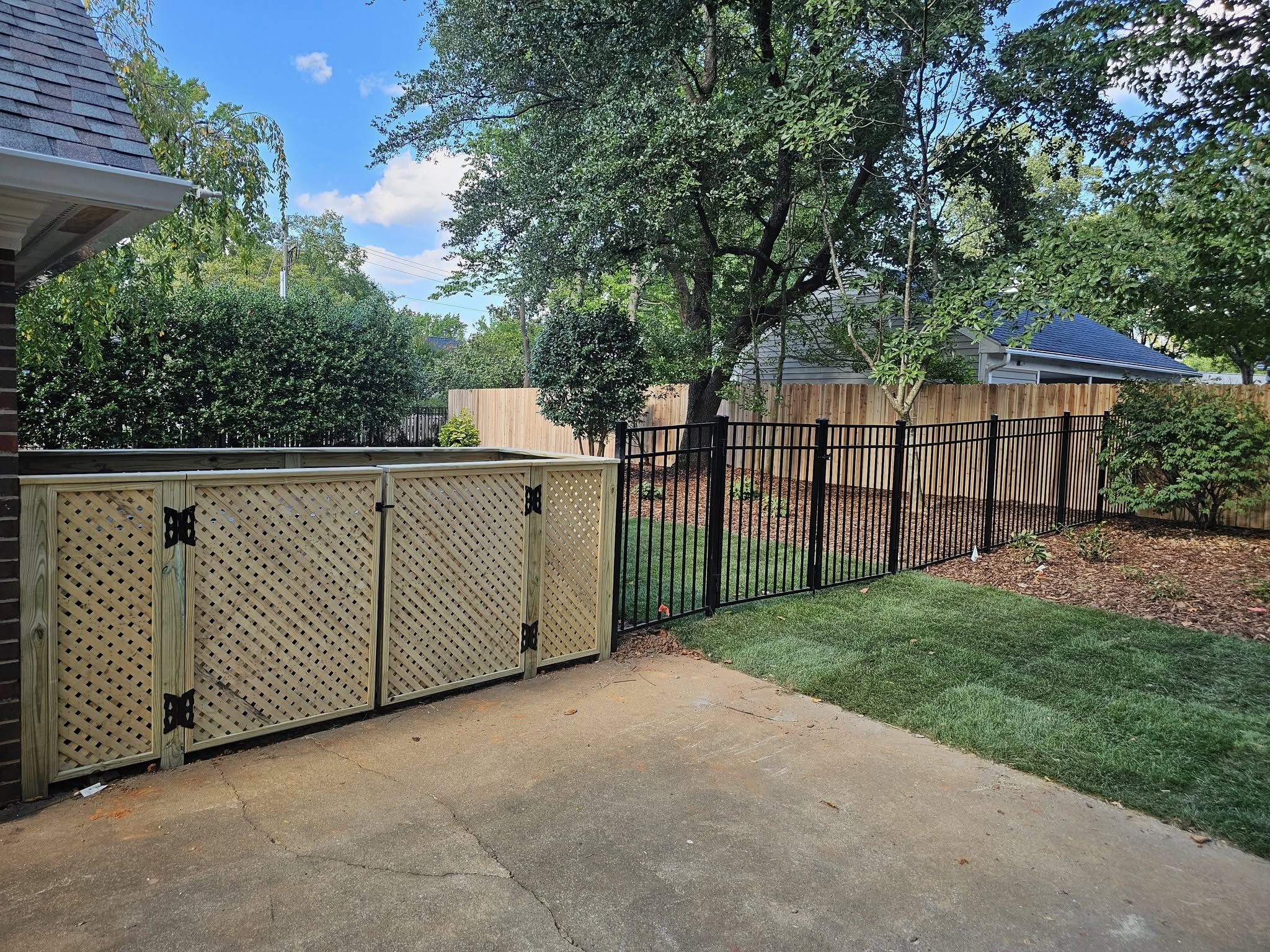
Wood has long been a popular choice for fencing, appreciated for its natural beauty and versatility. One of the primary advantages of wood fencing is its aesthetic appeal. The natural grain and warm tones of wood easily blend into many landscaping designs, giving your yard a timeless look. Furthermore, wood can be customized with paint or stain to fit your landscape style or personal preference.
However, wood fencing does require regular maintenance to keep its appearance fresh and to prevent decay. It is susceptible to rot, insects, and weather damage, which means it may need periodic repainting or staining and might have a shorter lifespan compared to other materials. Despite these maintenance needs, its relative affordability makes wood a common choice among homeowners looking to enhance their property value with a classic touch.
Vinyl fencing emerges as an attractive choice for those who prioritize durability and low maintenance. Made from PVC, vinyl fences are renowned for their resilience to harsh weather conditions, pests, and decay without the need for painting or sealing. This material typically comes in various colors and styles, making it easy for you to find an option that complements your home’s exterior.
A potential downside of vinyl fencing is its upfront cost, which is generally higher than wood. However, its longevity and minimal upkeep often result in long-term savings, as you won't spend as much on maintenance and repairs. Additionally, vinyl can sometimes appear less natural compared to wood, although advancements in design have led to options that mimic wood grains closely.
Composite fencing combines the best of both worlds, offering the aesthetic appeal of wood with the durability and low-maintenance benefits of synthetic materials. Composed of recycled wood fibers and plastic, composite fences are environmentally friendly and are available in a range of styles and colors.
The benefits of composite fencing include its resistance to warping, rotting, and insect damage, making it a long-lasting option. Unlike wood, it doesn’t require regular staining or sealing, and it generally retains its appearance well over time. The main disadvantage is the cost, which can be higher than both wood and vinyl. However, for those invested in sustainable materials with a natural look, the initial investment can be justified by the reduced need for replacements.
In conclusion, choosing the right fence for your home requires weighing the pros and cons of each material. Wood offers a classic appeal but demands regular upkeep. Vinyl provides a low-maintenance, durable solution with a higher upfront cost. Composite stands out for its sustainable design and minimal maintenance needs, albeit at a higher price point. Consider your budget, maintenance preferences, and aesthetic desires to make the best choice for your property. At Tru-Love Outdoor Services, we are committed to helping you find the perfect fencing solution that aligns with both your functional and aesthetic needs.
/filters:no_upscale()/filters:format(webp)/media/546Q4IXTZ9QL4Q0ZCN7HN2QD191LOJJZ1L94A2YB.jpeg)