Creating a Wildlife-Friendly Barrier: Fencing Ideas that Encourage Biodiversity May 09, 2026
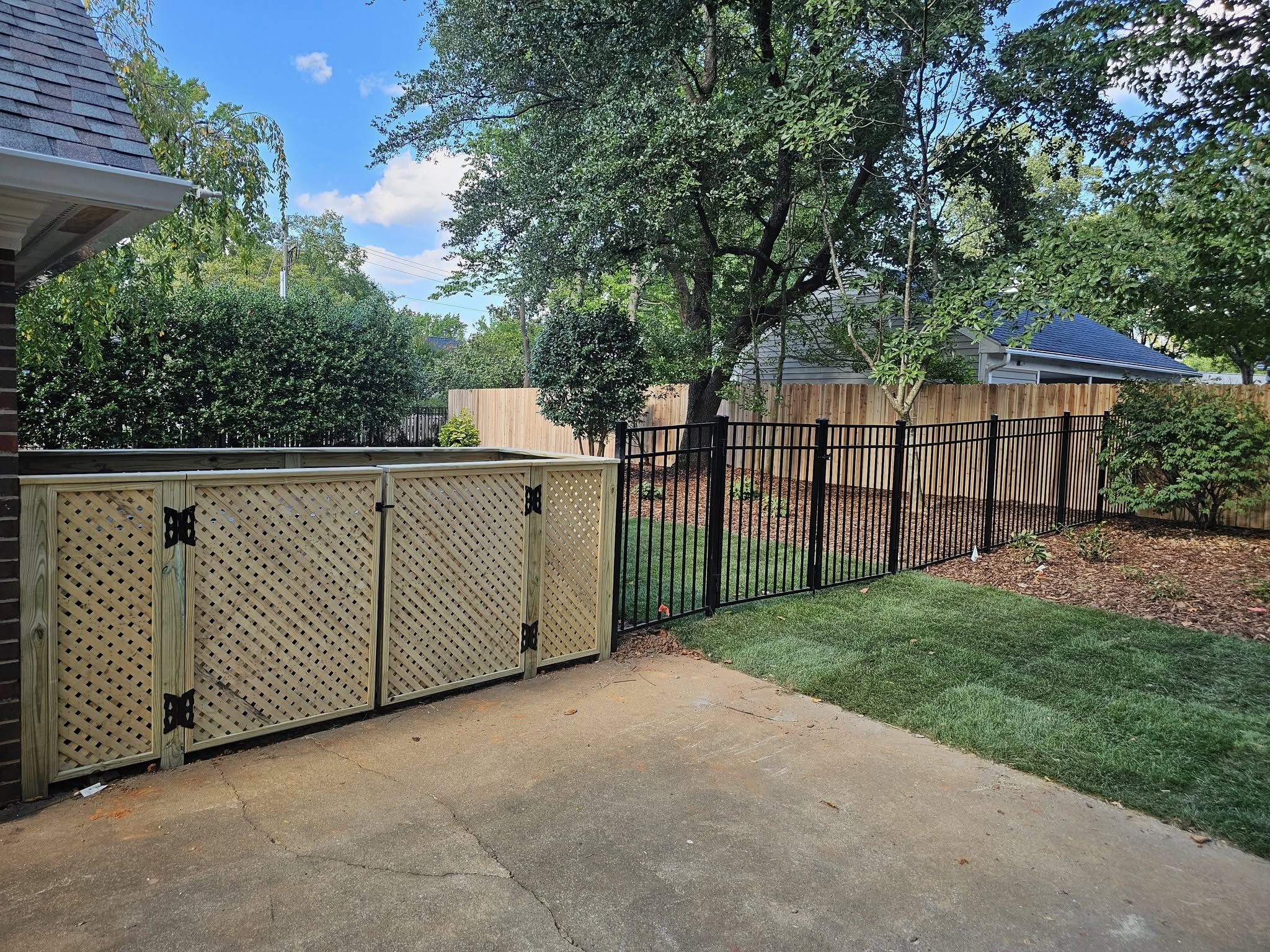
The first step in designing a wildlife-friendly fence is to choose the right materials. Opting for natural materials such as wood or bamboo can integrate seamlessly with the surroundings. Furthermore, these materials are often sustainable and cause less environmental disruption than synthetic options. Not only do they have a lower carbon footprint, but they also provide natural textures and scents that local fauna might find inviting. For example, wood fences treated with natural finishes can attract beneficial insects and birds, which are crucial for maintaining biodiversity.
Another vital aspect of wildlife-conscious fencing is the design itself. Consider how the fence height and design can accommodate various wildlife needs. For smaller animals, such as hedgehogs and rabbits, installing small openings or tunnels at the base of the fence can enable safe passage across your yard. This minimizes the risk of them becoming trapped or obstructed by a solid barrier. The design can cleverly incorporate these features without compromising on privacy or security.
Additionally, when encouraging biodiversity, think about how fences can offer a habitat for wildlife. Climbing plants or shrubs can be planted around fences, providing cover and food for various species. For example, honeysuckle or ivy can attract pollinators like bees and butterflies, while also serving as a sanctuary for small birds. By encouraging plant growth on your fence, you create a mini-ecosystem that benefits both flora and fauna. Regular maintenance and choosing the proper plant species are key to ensuring these habitats thrive without damaging the fence itself.
A less obvious, but equally important, factor is the color of your fence. Opt for colors that blend with the natural landscape. Earthy tones not only complement your garden but also create a less intimidating environment for wildlife. This subtle integration can make a world of difference in reducing stress for animals that encounter your property.
Moreover, consider the location and orientation of your fencing. If your property borders a natural area, ensure your fence does not block essential wildlife corridors. Working with local environmental organizations or experts during planning can help identify critical pathways that need to remain accessible.
Lastly, remember that the entire ecosystem benefits from diversity in plant and animal life. A thoughtfully designed wildlife-friendly fence promotes interactions among various species, which sustains the health of the broader environment. Creating such a barrier sends a powerful message about the importance of integrating human activity with nature.
In conclusion, your choices in fencing can positively impact local biodiversity. By selecting sustainable materials, incorporating thoughtful design features, and strategically positioning your fence, you create a welcoming environment for wildlife. Tru-Love Outdoor Services is here to guide you through this process, ensuring that your fence enhances both your property value and the ecological health of your community. Let's work together to build a greener future, one fence at a time.
/filters:no_upscale()/filters:format(webp)/media/546Q4IXTZ9QL4Q0ZCN7HN2QD191LOJJZ1L94A2YB.jpeg)