Exploring Eco-Friendly Fencing Alternatives: A Guide for Green-Minded Homeowners Dec 18, 2025
First, let's delve into the benefits of bamboo fencing. Bamboo is a fast-growing grass that regenerates quickly, making it a highly renewable resource. Because of its rapid growth rate, bamboo can be harvested with minimal environmental disruption, replenishing itself naturally. Bamboo fencing offers a natural, earthy aesthetic that complements various landscape designs. Its strength and flexibility make it a durable option, ideal for withstanding weather changes and impacts.
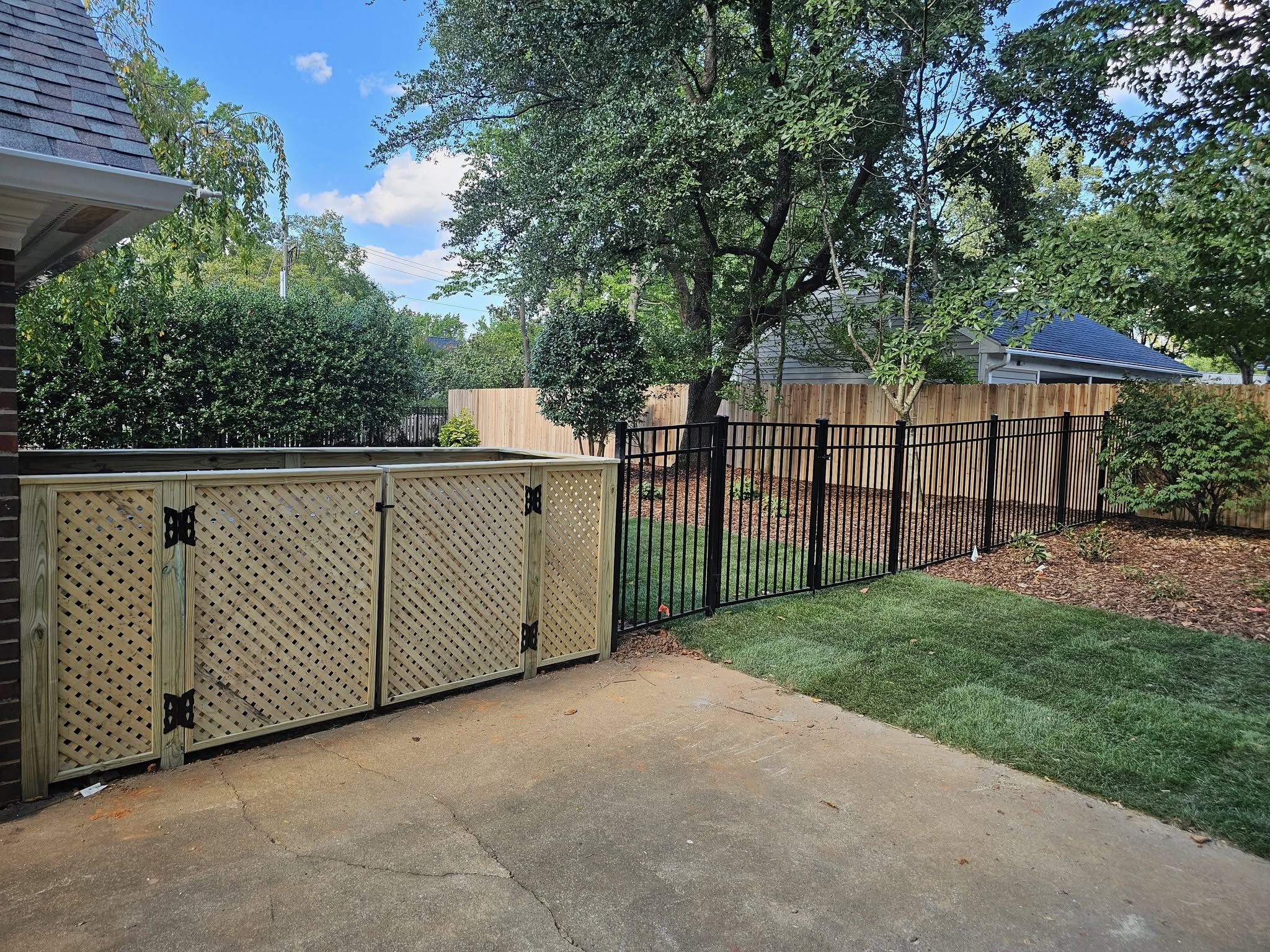
Recycled materials also present a viable eco-friendly fencing option. Recycled steel, for example, is durable and requires less energy to produce than virgin materials, thus reducing its carbon footprint. Steel fences can be crafted into modern, sleek designs and coated with paints and finishes that extend their longevity. Additionally, recycled plastic fences are gaining popularity as they mimic the look of wood without the need for chemicals or deforestation. These plastics often come from post-consumer waste, such as bottles and containers, diverting them from landfills and giving them a new life in your garden.
Moving on to composite fencing, this innovative material combines wood fibers with recycled plastic. Composite fencing is renowned for its low-maintenance features; it resists rot and pests and requires no painting or staining. The wood-plastic blend also gives it the appearance of natural wood, allowing homeowners to enjoy the beauty of wood without the environmental impact. Composite fences are long-lasting, often backed by extensive warranties, and are an excellent choice for sustainable fencing projects.
Living fences, or hedges, represent an entirely organic alternative that enhances your garden's biodiversity. Planting lush, green hedges not only establishes a natural boundary but also provides habitats for wildlife, particularly beneficial insects and birds. Choosing native plant species for your area ensures that the living fence thrives with minimal upkeep and water use. Although it requires initial patience as the plants grow to full height, a living fence can offer both privacy and environmental benefits while improving air quality.
Lastly, consider reclaimed wood fencing for a rustic charm with an eco-conscious twist. Reclaimed wood utilizes timber salvaged from old buildings, barns, or shipping pallets that would otherwise be discarded. Using reclaimed wood not only prevents waste but also reduces the demand for new lumber, preserving trees. Each piece of reclaimed wood tells its own story through unique textures and imperfections, offering a personalized touch to any outdoor space.
For homeowners interested in eco-friendly fencing, it is essential to consider not only the material but also its source and longevity. At Tru-Love Outdoor Services, we are committed to helping you make informed decisions that align with your values and enhance your home’s aesthetic.
In conclusion, for those striving to reduce their carbon footprint while maintaining functionality and style, eco-friendly fencing options abound. Whether you opt for bamboo, recycled materials, composite, living, or reclaimed wood, these sustainable choices offer diverse benefits that cater to different tastes and needs. Consult with Tru-Love Outdoor Services to discover the perfect green fencing solution tailored to your property, creating a harmonious balance with the environment.
/filters:no_upscale()/filters:format(webp)/media/546Q4IXTZ9QL4Q0ZCN7HN2QD191LOJJZ1L94A2YB.jpeg)