Fencing for All Seasons: Selecting Materials that Withstand the Elements Jan 28, 2026
First and foremost, let’s consider the climate and environmental factors specific to your locality. Whether you are dealing with the harsh dry heat of summer, the relentless rain of spring, the biting cold of winter, or the crisp winds of autumn, your fence must be resilient and versatile.
Vinyl fencing emerges as a favorite for many homeowners, primarily due to its durability and low maintenance. Unlike wood fencing, vinyl does not succumb easily to rot or pests and can withstand high winds and extreme temperatures without warping. This makes it an ideal choice for areas experiencing significant weather fluctuations. While its upfront cost may be higher, the minimal maintenance required often balances the initial investment over time.
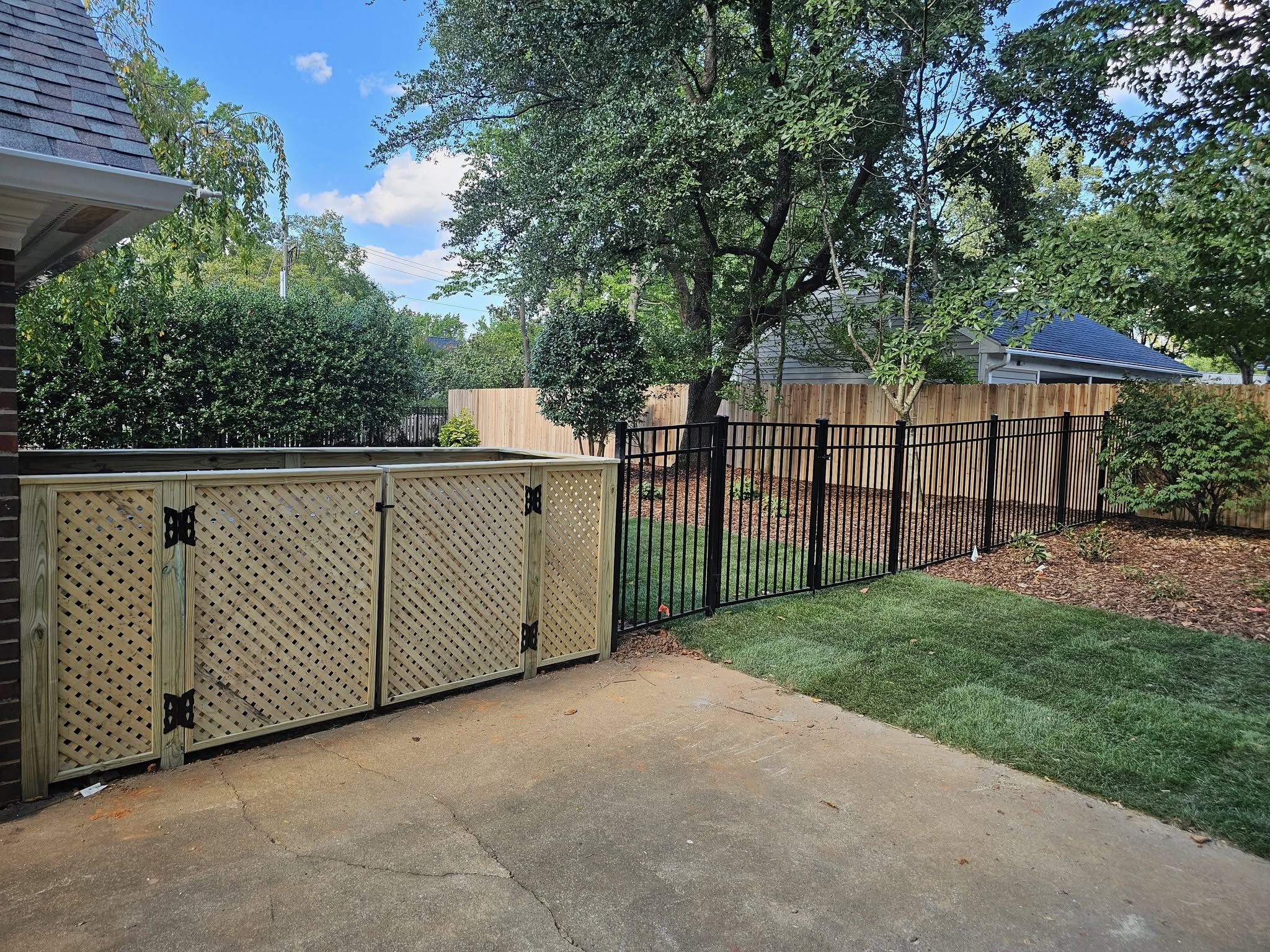
For those who prefer a more classic aesthetic, wood fencing remains an excellent option. However, it's important to choose the right type of wood to withstand the elements. Cedar and redwood are popular choices because of their natural resistance to rot and insects. To further boost their longevity, treating them with a quality sealant will provide an additional layer of protection against moisture and sun damage. Regular maintenance, such as staining and sealing every few years, will ensure your wooden fence continues to look beautiful and remain sturdy across seasons.
Metal fencing, including wrought iron and aluminum, offers a robust alternative capable of withstanding high winds and storms. Wrought iron delivers an elegant appearance but requires regular maintenance to prevent rust, especially in humid or salty air environments. Aluminum, while less traditional, offers similar aesthetics with the added benefit of being rust-resistant, making it an ideal choice for coastal regions or areas with significant precipitation.
Composite fencing is also gaining popularity due to its ability to mimic the look of wood without its drawbacks. Made from a blend of plastic and wood fibers, composite fences resist fading and insect damage and require little to no maintenance. This makes them a fantastic option for homeowners looking for longevity with minimal upkeep, particularly in environments with harsh winters.
When deciding on the best material for your fence, consider not only the functional aspects and aesthetic appeal but also how much time and effort you are willing to invest in maintenance. Tru-Love Outdoor Services can guide you through the process, ensuring the option you select will not only complement your home’s landscape but also withstand seasonal changes with ease.
In conclusion, choosing the right fencing material is a decision that impacts both the look and functionality of your outdoor space. By understanding the benefits and challenges of each material, you can make an informed choice that offers protection, style, and longevity. Our experts are here to help you evaluate these factors in the context of your specific needs, ensuring that your new fence is a lasting investment that will enhance your property for years to come.
/filters:no_upscale()/filters:format(webp)/media/546Q4IXTZ9QL4Q0ZCN7HN2QD191LOJJZ1L94A2YB.jpeg)