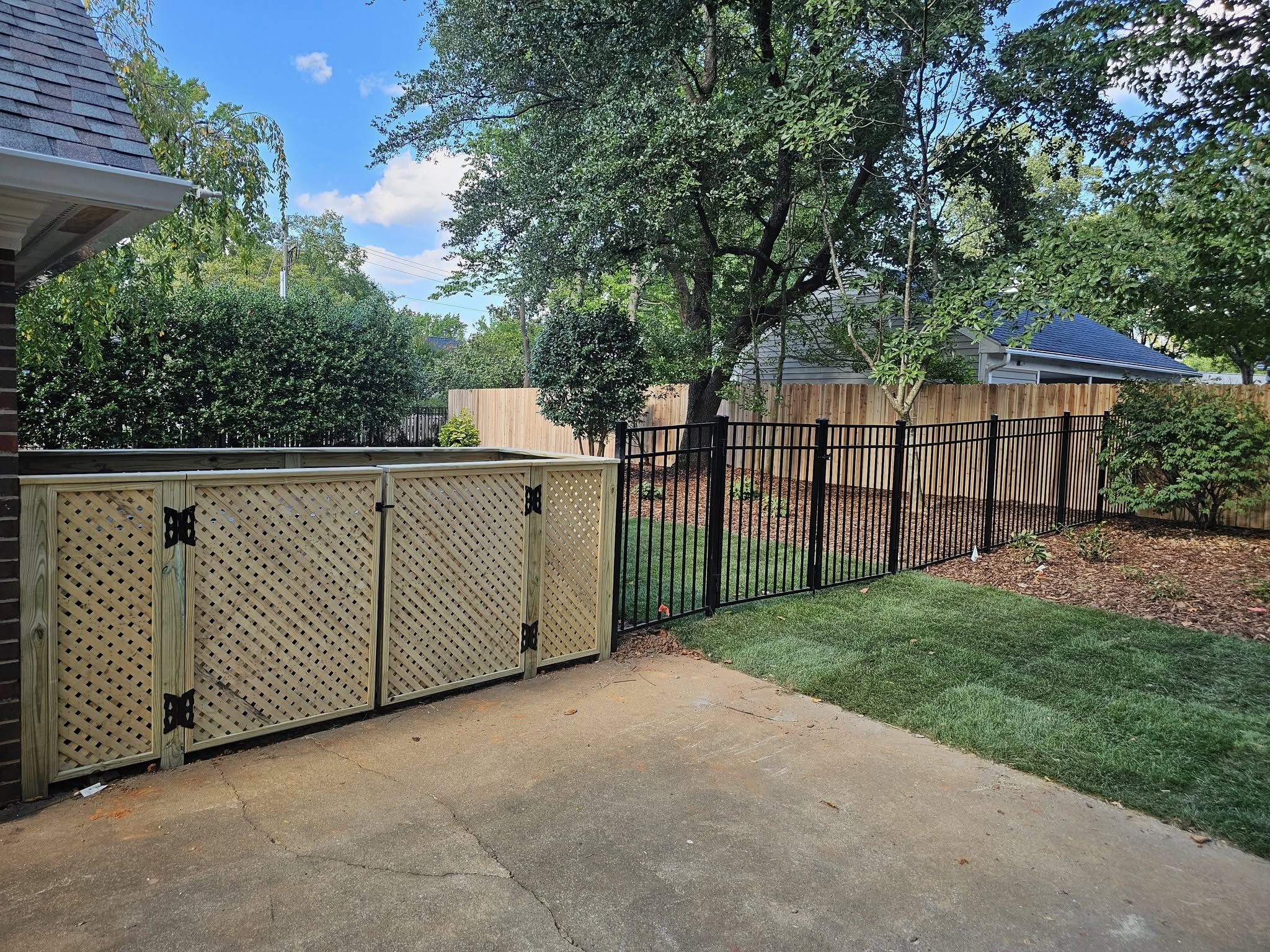
Smart Fencing Maintenance: Keep Your Barriers in Top Shape Year-Round May 03, 2026
The first step in effective fencing maintenance is regular inspection. Examine your fences for any signs of damage or decay, such as rust in metal fences, cracks in vinyl, or rot in wood. Look for any loose or missing components that might compromise the fence’s integrity. Identifying these issues early can prevent more severe problems in the future.
Weather is a major factor affecting fence durability, requiring preset preparation. Extreme weather conditions such as storms, heavy snowfall, or intense heat can weaken the structure. For wooden fences, applying a weatherproof sealant every two to three years can protect the wood from moisture and other environmental elements. It’s also wise to stain your wooden fence every few years to maintain its aesthetic appeal and provide an additional layer of protection.
Metal fences demand routine rust prevention measures. Regularly clean your metal fencing with a mixture of detergent and warm water. After cleaning, check for any rust spots. For minor rust spots, remove the rust with sandpaper or a wire brush and apply a rust-inhibitive primer followed by a fresh coat of paint. Regular maintenance keeps metal fences looking new and extends their lifespan significantly.
Vinyl fencing requires less maintenance than wood or metal, but it still benefits from regular cleaning. Simply hosing them down every now and then can help remove dirt and prevent staining. For tougher stains, a mild detergent or specialized fence cleaning product can do the trick. Ensuring that the vinyl is not exposed to excess pressure when removing stains can prevent unnecessary damage.
A key aspect of fencing maintenance is ensuring proper structural integrity. This often includes tightening or replacing any loose screws or nails and realigning any misaligned sections. If you spot damaged sections that cannot be repaired, replace them as soon as possible to prevent further damage to the surrounding areas.
Intruding plant life such as vines or bushes can impose pressure on a fence and lead to structural weaknesses over time. Regularly trim any vegetation that is in contact with your fence to reduce stress on the structure and prevent moisture buildup that could lead to rot or rust.
Finally, creating a maintenance schedule will ensure that no aspect of your fencing is neglected. Consider seasonal check-ups and after any severe weather events as strategic times for maintenance. Keeping a log can help track repairs and anticipate future needs.
In conclusion, maintaining your fence is an essential part of property ownership. With these smart maintenance tips from Tru-Love Outdoor Services, ensuring your fence remains functional and appealing year-round is within reach. Regular inspections, timely repairs, and preventive measures are the cornerstones of a long-lasting fence. By following these strategies, your barriers will not only secure your property but also enhance its overall aesthetic value.
/filters:no_upscale()/filters:format(webp)/media/546Q4IXTZ9QL4Q0ZCN7HN2QD191LOJJZ1L94A2YB.jpeg)