Understanding Local Zoning Laws: Ensuring Your Fence Meets All Regulations Dec 26, 2025
The first step in understanding local zoning regulations is recognizing that rules can vary significantly from one locality to another. Zoning laws are put in place by local governments to dictate how properties can be used within different zones. These laws impact various aspects of fence installation, such as height, materials, and proximity to property lines. To begin, consult with your local zoning office or municipal website to access detailed guidelines that apply to your area.
One of the most crucial elements to consider is the height restrictions for fences. Most residential areas have specific limitations on how tall a fence can be. Generally, front yard fences must be lower than those in the backyard. This is to maintain a neighborhood's visual harmony and ensure that visibility for drivers is not obstructed. For instance, a four-foot fence may be permitted in the front, while the back yard might allow a six-foot fence. Checking these requirements helps avoid future conflicts with neighbors or local authorities.
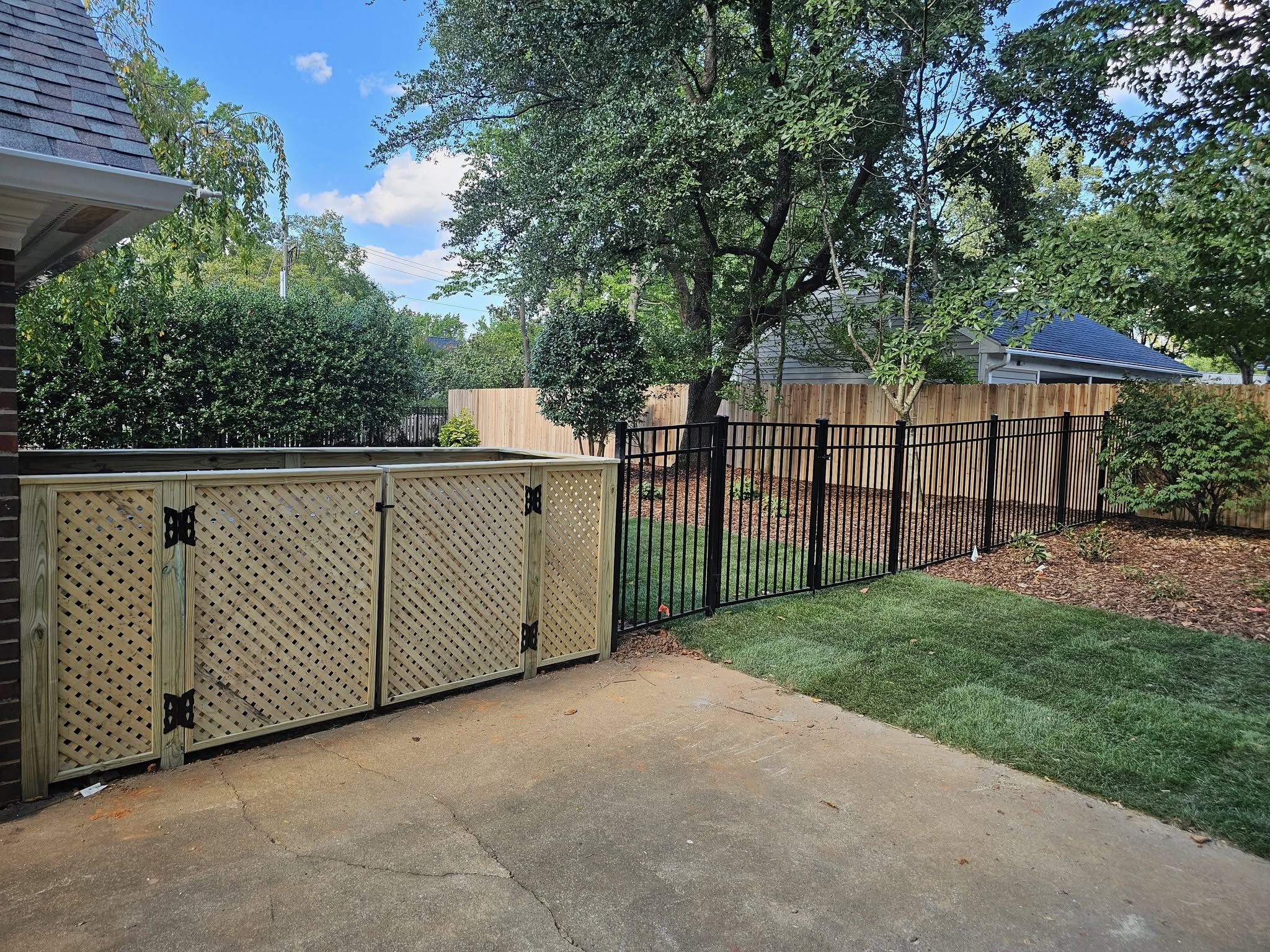
Next, you should consider the allowable materials for fence construction. Local zoning laws might restrict certain materials that could be deemed unsafe, unappealing, or inconsistent with the neighborhood's style. Commonly accepted materials include wood, metal, and vinyl due to their durability and aesthetic appeal. Tru-Love Outdoor Services can guide you in choosing materials that complement your home while adhering to local regulations.
Property line setbacks are another critical factor. These rules dictate how far a fence must be set back from the property line. This ensures that fences do not encroach upon neighbors' lands and helps maintain community spacing and aesthetics. Surveys or property maps can help identify the exact boundaries, and it may be necessary to obtain a permit indicating the fence location before installation begins.
Moreover, certain neighborhoods or developments have additional restrictions imposed by homeowner associations (HOAs). These organizations may have even stricter standards than local zoning laws regarding fence design, color, and placement. Thus, it's advisable to review any HOA guidelines you may be subject to and obtain any necessary permissions before proceeding.
An often-overlooked aspect of zoning laws is the impact on utility lines. Check with local utility companies to confirm there are no underground lines where you plan to install your fence. This step not only complies with regulations but also ensures safety and avoids costly repairs.
In conclusion, understanding and adhering to local zoning laws is paramount when planning your fence installation with Tru-Love Outdoor Services. By familiarizing yourself with height restrictions, material guidelines, setback requirements, and any HOA rules, you can ensure your fence project is seamless and trouble-free. While this may seem overwhelming, a little due diligence upfront will lead to an installation that enhances your property's value and beauty. Employing professional services like Tru-Love Outdoor Services can further facilitate compliance and quality, ultimately giving you peace of mind and satisfaction with your new fence.
/filters:no_upscale()/filters:format(webp)/media/546Q4IXTZ9QL4Q0ZCN7HN2QD191LOJJZ1L94A2YB.jpeg)